
Debunking common gambling myths What you really need to know
Understanding Gambling Odds
One of the most pervasive myths about gambling is the belief that players can manipulate the odds in their favor through strategies or systems. In reality, most gambling games, whether they are slots, poker, or blackjack, have built-in odds that favor the house. Understanding these odds is crucial for responsible gambling. For instance, a slot machine’s return-to-player percentage indicates the average amount that will be returned to players over time, typically around 85-95%. This means that the house retains a portion, ensuring they profit in the long run. Additionally, players may find valuable insights through resources like best online poker sites for real money.
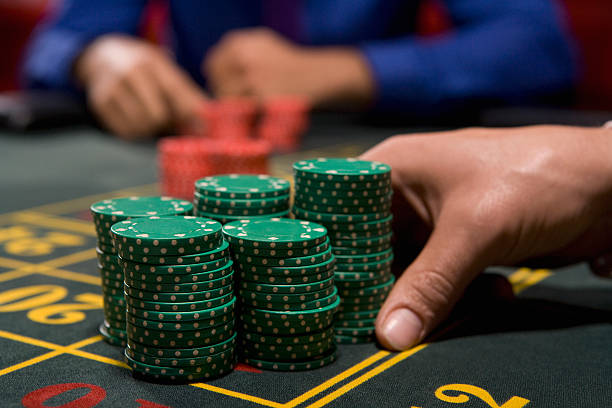
Players often misunderstand the concept of “streaks.” The belief that a winning or losing streak can predict future outcomes is flawed; each game is an independent event. Previous results do not influence future spins or hands, making it essential for gamblers to approach games with the understanding that luck plays a significant role.
The Fallacy of “Lucky” Strategies
Many gamblers subscribe to the myth that certain strategies or rituals can bring them good luck. While players may feel comforted by their routines, there is no statistical evidence to support that these actions improve their chances of winning. For example, some players may believe that wearing a particular outfit or using a specific coin will increase their luck, but these beliefs are purely psychological rather than factual. This can lead to false confidence and irresponsible gambling practices.
Moreover, reliance on such “lucky” strategies can lead to problematic behavior, where individuals continue to gamble based on superstition rather than informed decision-making. It is vital to remember that effective gambling should be based on understanding the game and its rules rather than unfounded beliefs.
Chasing Losses: A Dangerous Mindset
Chasing losses is a common behavior among gamblers who believe that they can recover their money by betting larger amounts. This mentality can lead to significant financial problems, as it often results in greater losses. The illusion that one can recoup losses through increased bets can create a dangerous cycle of gambling. Recognizing when to walk away is a crucial skill for responsible gambling.
Understanding that losses are a part of gambling can help individuals develop a healthier relationship with it. Setting limits and sticking to a budget can mitigate the urge to chase losses. Responsible gambling emphasizes that the focus should be on enjoyment rather than solely on winning back what has been lost.
The Myth of Gambling as an Investment
Many people erroneously view gambling as a viable investment strategy. This misconception can lead to severe financial pitfalls, as gambling inherently carries risk and uncertainty. Unlike traditional investments, which can offer returns based on market analysis and economic factors, gambling outcomes are primarily based on chance. The expectation of consistent profits from gambling is unrealistic and can result in significant losses.
Additionally, the financial gains from gambling are unpredictable, and even experienced players face losses. It is essential for individuals to understand that while gambling can be entertaining, it should not be seen as a method of building wealth. Responsible gambling encourages individuals to view it as a form of entertainment rather than an investment opportunity.

Promoting Responsible Gambling Practices
The importance of responsible gambling cannot be overstated, especially in light of the many myths surrounding the activity. Establishing clear boundaries, such as budget limits and time restrictions, can enhance the gambling experience while minimizing risks. Awareness of personal triggers and the ability to recognize when gambling is becoming problematic are vital components of a healthy approach.
Resources are available to support individuals in making informed decisions about their gambling habits. Many organizations offer educational materials and assistance for those who may struggle with gambling-related issues. It is essential to prioritize safety and well-being while enjoying gambling as a form of entertainment.